

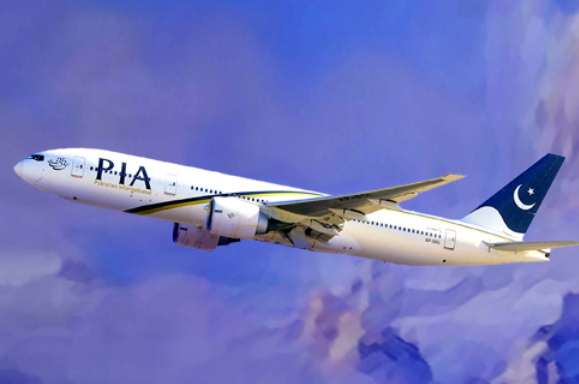
After nearly two decades without a major privatization, Pakistan has taken a significant step forward. The Arif Habib consortium has secured a 75 percent stake in Pakistan International Airlines Corporation Limited (PIACL) with a winning bid of Rs. 135 billion, marking one of the most consequential economic transactions in recent years.
A Competitive and Transparent Auction Process
The privatization auction began on Tuesday morning, with three pre-qualified bidders entering the process: Lucky Cement, Airblue, and the Arif Habib consortium. The bidding quickly demonstrated strong interest from Pakistan’s leading corporate groups.
Airblue exited after the first round, submitting a bid of Rs. 26.5 billion, which fell below the reference price. The competition then narrowed to Lucky Cement and Arif Habib, with initial bids of Rs. 101.5 billion and Rs. 115 billion, respectively.
Following a 30-minute break requested by Lucky Cement, the auction resumed with the reference price raised to Rs. 125 billion. Lucky Cement increased its bid to Rs. 120.25 billion, while Arif Habib countered with Rs. 121 billion.
The second round of bidding commenced with a base price of Rs. 115 billion, reflecting the highest offer from the first round, and required a minimum bid increment of Rs. 250 million. Ultimately, the Arif Habib consortium’s Rs. 135 billion bid proved decisive, securing control of the national flag carrier.
Financial Impact and Future Flexibility
According to government officials, 92.5 percent of the sale proceeds will be reinvested into PIA, while the remaining 7.5 percent will go to the federal government. In monetary terms, the government is expected to receive approximately Rs. 10.2 billion, with the rest directed toward stabilizing and revitalizing the airline.
In addition to the immediate proceeds, the privatization is projected to save taxpayers around Rs. 35 billion annually, by reducing the recurring financial burden PIA has placed on public finances.
The winning consortium will also have the option to induct two additional parties into its group after completing the acquisition, offering flexibility in future ownership and management structure.
Finance Minister Welcomes the Outcome
Finance Minister Muhammad Aurangzeb praised the process, emphasizing that the bidding was conducted openly and transparently. Speaking at the bidding ceremony, he credited the prime minister’s aide and their team for successfully concluding the privatization.
Aurangzeb highlighted that all participating bidders were Pakistani companies, calling it a positive sign for the country’s corporate sector. He noted that regardless of which group won, the transaction would have benefited Pakistan.
He further stressed that some of the country’s largest and most experienced business groups had competed for control of the airline, expressing confidence that PIA would now be managed by seasoned investors with strong commercial expertise.
A New Chapter for Pakistan’s Flag Carrier
The finance minister concluded by reiterating the government’s core objective: to halt PIA’s financial losses and restore its standing in the global aviation market. With private-sector leadership now set to take charge, the privatization signals a potentially transformative moment for Pakistan International Airlines.
Whether this marks the long-awaited turnaround for the national carrier will depend on execution—but for now, the deal represents a milestone in Pakistan’s economic reform journey.